
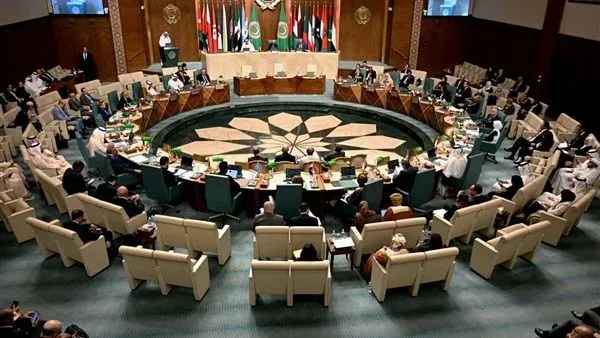
Morocco reaffirmed its commitment to joint Arab action in the environmental field, as well as its determination to contribute to initiatives and projects aimed at strengthening resilience and achieving a tangible impact on the lives of Arab citizens.
This position was expressed Thursday in Cairo during the 37th session of the Council of Arab Ministers Responsible for the Environment, by the Moroccan delegation, which stressed the importance of strengthening Arab-African cooperation and South-South cooperation, particularly to combat desertification and drought, ensure water and food security, protect ecosystems and share successful experiences in accordance with the principle of solidarity among countries of the Global South.
In this regard, the Kingdom considers that the challenges facing the Arab region require stronger Arab cooperation and greater exchange of expertise, knowledge and technologies, particularly in the areas of combating desertification and drought, land restoration, sustainable rangeland management, early warning systems, water management and nature-based solutions, in addition to mobilizing climate and environmental financing, facilitating access to international financial resources, and supporting technology transfer and capacity-building, in order to enable countries to turn common challenges into opportunities for development, investment and innovation.
In this context, Morocco considers that the 31st session of the Conference of the Parties to the United Nations Framework Convention on Climate Change, scheduled to take place in Antalya in the coming weeks, constitutes a further step toward strengthening international action on adaptation, financing and resilience-building.
The Moroccan delegation stressed that the choice of the sustainability of rangelands and the strengthening of resilience as the theme of this session reflects the growing importance of these ecosystems in the Arab region, amid mounting pressures linked to climate change, water scarcity, drought, land degradation and biodiversity loss.
In this context, Morocco attaches paramount importance to pastoral lands, which cover a vast area exceeding two-thirds of the national territory, as livestock farming constitutes a fundamental pillar of the economic and social activity of populations in pastoral areas, with pastoral activity being the main source of livelihood for the inhabitants of these regions.
Given the major importance of these lands, the Kingdom has worked to develop the various links in the livestock production value chains and has planned several projects for the development and management of pastoral lands, as well as for the development of the red meat, dairy and camel farming sectors.
Alongside these development initiatives and programs, the Kingdom has worked to adopt a pastoral legal framework suited to the profound changes experienced by rangelands, with the aim of regulating transhumance, establishing mechanisms for the sustainable management of pastoral resources and encouraging livestock breeders and their professional organizations to play an active role in the development of the sector, in order to ensure improved production and living conditions and help ease the burden on local populations, particularly during periods of drought.
The Moroccan delegation also indicated that strengthening resilience requires moving from crisis management to anticipation, prevention, adaptation and investment in the sustainability of natural resources, noting that, in accordance with the High Royal Orientations, Morocco continues to implement integrated policies and strategies in the areas of climate, water, energy, biodiversity and combating land degradation.
MAP: 02 October 2026